

Affordable eSIM Plans That Slash Your Monthly Bill
Cheap eSIM plans are prepaid mobile data packages that you activate digitally instead of using a physical SIM card. These plans work by downloading a digital profile directly to your phone, allowing immediate access to local or regional networks at a lower cost than traditional roaming. The main benefit is significant savings on international data fees, plus the ability to switch between providers or top up plans directly from your device without waiting for a physical card.
Unlocking the Best Budget-Friendly eSIM Options
To unlock the best budget-friendly eSIM options, focus on regional providers like Airalo or Holafly, which offer cheap esim plans tailored to specific countries, avoiding costly global roaming. Always compare data-only packages separately from voice/text bundles, as the former often provide superior value for travelers. Look for promotional codes or referral discounts directly on provider apps, and prioritize plans with high-speed caps rather than throttled unlimited ones to avoid hidden fees. Unlocking the best budget-friendly eSIM options requires scanning niche aggregators like eSIMDB for flash sales, then activating a short-term plan only when you land to maximize expiry windows. Avoid auto-renewing plans; purchase fresh ones for each trip to keep costs minimal.
Why More Travelers Are Switching to Digital SIM Cards
Travelers are ditching plastic SIMs because digital ones let you snag a cheap eSIM plan before you even board the plane, instantly connecting you for less than a local café latte. You avoid hunting for tiny cards at airport kiosks or paying roaming fees, with significant cost savings on daily data passes. You can even switch networks mid-trip without leaving your hotel room, all from an app. This convenience, paired with budget-friendly multi-country options, makes ditching physical cards feel like the obvious, money-smart move.
Comparing Prepaid vs. Pay-As-You-Go International eSIMs
When seeking cheap eSIM plans, choosing between prepaid and pay-as-you-go international eSIMs depends on your travel patterns. Prepaid data bundles offer a fixed amount of data for a set price, ideal for predictable trips where you can estimate usage, often providing the lowest per-GB rate. Pay-as-you-go plans charge only for data consumed, suiting travelers with variable needs, but rates per MB are typically higher. For budget-conscious international roaming, prepaid is better for heavy data users, while pay-as-you-go benefits light users who avoid waste. Consider your itinerary length and data scope before purchasing.
- Prepaid bundles lock in a low rate, avoiding surprise overage costs on cheap eSIM plans.
- Pay-as-you-go offers flexibility, topping up only for sporadic use without a fixed data commitment.
- Prepaid plans often expire after a set period, unsuitable for split trips; pay-as-you-go funds usually last longer.
- Pay-as-you-go is cost-effective for multi-country hops, using only local carrier rates when needed.
How to Spot a Truly Affordable eSIM Deal
To spot a truly affordable eSIM deal, always compare the total cost per gigabyte over your trip, not just the upfront price. Watch for hidden fees or plans that expire faster than you need. A cheap eSIM is only valuable if the data speed is usable; read recent user reviews for real-world performance. Finally, verify the plan includes tethering if you need it, as restrictions can kill a bargain.
The real deal shows when the price per GB, data speed, and plan duration all fit your specific usage without surprise limits.
Top Regional Choices for Low-Cost eSIM Coverage
For cheap eSIM plans, top regional choices depend on your destination. In Europe, a regional plan like Airalo’s Eurolink offers excellent per-GB rates for multiple countries, avoiding individual country surcharges. In Asia, a regional package covering Singapore, Malaysia, and Thailand often costs less than separate local SIMs. For Latin America, a single Claro or Movistar eSIM can be cheaper than buying an option for each nation.
The most cost-effective strategy is to pick a regional plan with wide network inclusion and enough data to avoid topping up, rather than a cheaper per-GB local card.
Always compare data allowances against your trip length; a 30-day regional plan often out-prices multiple 7-day local ones.
Thrifty eSIM Plans for Europe Without the Hidden Fees
When selecting thrifty eSIM plans for Europe without the hidden fees, travelers should prioritize providers that display the total cost upfront, including VAT and any service charges. Truly budget-friendly Europe eSIMs often come from regional specialists like Airalo or Holafly, which offer multi-country passes with clear, tiered data limits. Avoid plans that bury activation or top-up surcharges in the fine print.
- Stick to prepaid data-only eSIMs that don’t automatically renew or charge for unused data.
- Look for plans with zero-cost installation and no imposed roaming fees between Schengen countries.
- Choose providers that list the final price in your local currency without added conversion fees.
- Verify that the plan includes 24/7 online support to resolve billing disputes quickly.
Asia’s Most Wallet-Friendly Digital SIM Offers
For budget-conscious travelers, Asia’s most wallet-friendly digital SIM offers typically start below five dollars for multi-day data packs. Providers like Airalo and Holafly offer regional eSIMs covering up to 15 countries, with 1GB plans often under $4.50 for a week. Nomad and Jetpac feature pay-as-you-go data starting at $1 per gigabyte in popular destinations like Thailand and Indonesia, while local operators like Singapore’s Singtel and Japan’s Ubigi provide short-term plans for under $10. These options let users avoid roaming fees and physical SIM swaps.
- Regional eSIMs from Airalo cover Southeast Asia for under $5 for 7 days.
- Nomad offers 1GB data packs in South Korea starting at $1.80.
- Holafly provides unlimited data in India for $8 for 15 days.
- Local providers like Ubigi in Japan have 2GB plans for $4.50.
North America’s Cheapest eSIMs for Visitors and Locals
For travelers and residents seeking North America’s cheapest eSIMs for visitors and locals, Airalo and Nomad offer competitive pay-as-you-go plans. Airalo’s regional “Discover” packages often undercut carrier rates, while Nomad provides flexible short-term data. Local providers like Tello or US Mobile can also beat major carriers on price for long-term users.
- Airalo’s 1GB/7-day plan starts near $4.50 for the U.S. and Canada.
- Nomad offers Canada-specific plans from $3 for 1GB/7 days.
- Tello’s unlimited data eSIM costs roughly $25/month for U.S. locals.
- US Mobile’s “Light Plan” includes 2GB for $10/month.
Shopping by specific region—like Canada-only vs. continent-wide—often reveals the lowest rates.

Finding the Best Value eSIM with the Most Data
When hunting for cheap eSIM plans, the real trick is zeroing in on the best value eSIM with the most data rather than just the lowest upfront price. A plan might seem dirt-cheap, but skimpy data caps mean you’ll run dry fast and could pay more for a top-up. Instead, look for bulk data packages from regional providers like Airalo or Nomad that offer, say, 10GB for $15 instead of 2GB for $5. Always check the validity period—a 30-day plan beats a 7-day one for long-term use. Prioritize providers with clear, unmetered speeds and no hidden throttling, so you’re not stuck buffering after using half your allowance. That’s how you actually find cheap eSIM plans that stretch your money and keep you online without surprises.
Which Budget eSIM Provides the Biggest Data Bucket
For the largest single data bucket among cheap eSIM plans, Keepgo’s global 10GB package typically leads, offering a substantial allowance for under $50. This far exceeds competitors like Airalo’s 5GB global option at a similar price point, though validity is limited to 30 days. Regional providers such as DENT offer 20GB for specific areas like Europe at aggressive rates, but their global coverage is narrower. Always verify if the bucket is a one-time allocation or if data rollover applies, as budget plans often reset upon depletion.
Comparing Data Speeds on Lower-Priced eSIM Packages
When comparing data speeds on lower-priced eSIM packages, throttling after a soft cap is the primary differentiator. Most budget plans advertise “unlimited” data, but speeds drop to 128 Kbps or 1 Mbps once your high-speed allowance (e.g., 1–5 GB) is exhausted. To evaluate value, follow this sequence:
- Check the post-cap throttle speed in Mbps—higher (1 Mbps) supports basic maps and messaging; lower (128 Kbps) hampers photo uploads.
- Confirm the exact high-speed data cap before throttling begins; a 3 GB cap at full 4G/LTE is superior to a 10 GB cap at “up to” 3G speeds.
- Penetrate provider fine print for “fair usage” policies, which can cut speeds further after heavy daily use rather than a fixed cap.
How to Avoid Throttled Connections on Discounted Plans
To avoid throttled connections on discounted plans, prioritize providers that advertise “full-speed data allowances” rather than deprioritized access. Before purchasing, check the fair-use policy; plans claiming “unlimited” data often throttle after a specific gigabyte threshold. Compare speed caps explicitly in Japan eSIM plan details, as budget eSIMs frequently limit video streaming to 480p or impose a 1–5 Mbps cap after a few GB. Confirm if rollover data is available, as it mitigates throttling by preventing hard limits on monthly usage.
| Avoidance Tactic | How It Prevents Throttling |
|---|---|
| Check deprioritization clauses | Ensures you get priority rather than network-congestion throttling |
| Verify speed caps before purchase | Prevents surprises from hidden 1–2 Mbps restrictions |
| Select rollover data plans | Delays hitting the threshold that triggers throttling |
Features That Make a Low-Cost eSIM Stand Out
A low-cost eSIM stands out by bundling generous data caps with extended validity, often offering 5GB over 30 days for under $10—perfect for light users. These plans typically include automatic network switching to the strongest local carrier, preventing slow speeds. A short inline Q&A: What top feature defines cheap plans? The ability to top up unused data from a previous month, stretching every dollar. Instant activation via QR code eliminates shipping fees and SIM card costs. Multi-country coverage in a single plan also shines, letting you roam across 10+ nations without separate purchases, making budget travel seamless.
Always-On Customer Support Without Breaking the Bank
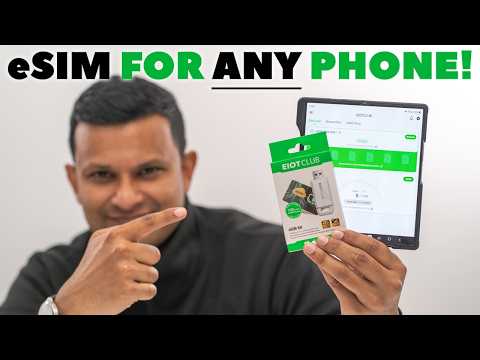
Even an inexpensive eSIM plan can deliver always-on customer support without breaking the bank by automating its tier‑1 layer. Instead of staffing costly live agents 24/7, budget operators build in‑app chatbots that resolve connectivity or activation issues through scripted troubleshooting. This eliminates wait times and the overhead of a human team. If the bot cannot solve a problem, it escalates to a small, scheduled queue of human reps – a balance that keeps operational costs low while ensuring you still have a help desk for critical failures. The practical payoff is zero extra fees for support access, making full‑coverage assistance feasible on a $5 monthly plan.
| Support Aspect | Low‑Cost Implementation |
|---|---|
| Response Delay | Instant via automated script, not free human chat |
| Escalation Path | Bot escalates only for unsolvable or billing issues |
| User Cost to Access | $0 – support cost is baked into the plan |
Easy Top-Ups and Rollover Data on Frugal Options
Frugal eSIM plans often provide easy top-ups via a simple app or portal, letting you add credit instantly without re-entering payment details each time. This convenience prevents service interruptions. Many low-cost carriers couple this with rollover data, where unused gigabytes from your current plan carry into the next cycle instead of expiring. For budget-conscious users, this combination means you never lose value from a light month; your unused data accumulates for future use, making each top-up more efficient over time.
Multi-Country Coverage vs. Single-Destination Savings
When picking a cheap eSIM plan, the first big fork in the road is multi-country coverage versus single-destination savings. If you’re backpacking across three European capitals, a regional plan is your friend—one eSIM, local rates across borders, zero re-upping headaches. But if you’re planted in one spot for two weeks, a single-country plan often crushes the multi-region option on price, sometimes nearly halving the cost per gigabyte. The catch is that a “global” plan might include countries you never visit, inflating the price you pay for the places you actually need.
- Multi-country eSIMs unlock seamless hopping between nations without buying new plans.
- Single-destination plans slash data costs for travelers staying put in one country.
- Your itinerary length and mobility decide which saves more real cash.
Tips to Maximize Value from Inexpensive eSIM Purchases
To maximize value from cheap eSIM plans, always scan a physical QR code or use a specific download link immediately after purchase to lock in the price before currency fluctuations or stock changes. Activate the plan only when you land at your destination to prevent the timer from expiring early. For extended stays, layer multiple short-term cheap eSIM plans from different providers rather than one long plan, exploiting new-user discounts each time. Prioritize plans that include a data top-up option at the same low rate rather than requiring a new purchase. Finally, disable automatic data roaming for non-eSIM SIMs to avoid accidental charges while using your cheap plan.
Using Referral Codes and First-Time Buyer Discounts
Snag a cheap eSIM plan by hunting for referral code discounts for cheap eSIMs. Many providers offer a small cash bonus or data top-up when you use a friend’s code at checkout—sometimes dropping the price below $1. You can also stack this with a first-time buyer offer, which typically knocks 10–30% off your initial purchase. Check promo sections on the provider’s site or subreddits for current active codes.
- Search for referral threads on Reddit or travel forums before buying.
- Always apply the first-time buyer coupon before entering a referral code.
- Test multiple codes from different users—some expire quickly.
- Look for referral links that give you and the referrer bonus data.
Leveraging Short-Term Plans for Extended Trips
For extended trips, stack multiple cheap short-term eSIM plans instead of buying one long-duration package. Purchase a series of 7- or 15-day plans from the same provider, activating each only as the previous expires. This tactic avoids the premium markup on 30-day plans while ensuring continuous coverage. To maximize savings, buy several identical short-term plans during a flash sale and store the activation QR codes offline.
- Set calendar reminders to switch eSIMs before your current plan expires to avoid service gaps.
- Check if your provider allows plan stacking without deactivating the primary SIM slot.
- Use regional short-term plans that cover multiple countries to consolidate trips across borders.
Switching Between Providers to Stay Under Budget

When your current eSIM provider’s data runs low or a cheaper promo appears, switching between providers to stay under budget is straightforward. You install a new eSIM while keeping the old one inactive, activating the cheaper plan only when needed. This prevents auto-renewal charges and lets you cherry-pick short-term deals for each trip or month. Always check that your device supports multiple eSIM profiles, and disable auto-downloads on the active line to avoid accidental fees. By rotating providers based on real-time pricing, you consistently pay the lowest available rate without service gaps.
Hidden Costs to Watch Out For in Digital SIM Offers
When opting for cheap esim plans, be vigilant about hidden costs like throttled speeds after a small data cap is exhausted, often hidden in fine print. Many budget providers apply a “fair usage policy” that reduces your connection to near-unusable 2G speeds, forcing an expensive top-up. You must check if your plan includes unlimited data at a reduced speed or if it cuts off entirely, as reconnection fees can double your initial cost. Also, look for activation fees buried in the checkout process or charges for reassigning your eSIM to a new device. Some cheap esim plans lack free in-app support, billing you for each customer service interaction or chat.
Activation Fees and Fine Print in Cheap Packages
Cheap eSIM packages often bury activation fees as a hidden upfront cost, charging a one-time sum that can effectively double the advertised price. The fine print may also impose a mandatory minimum top-up amount immediately upon activation, locking you into spending more than the base package. Furthermore, some providers define “validity” in the terms, meaning the data expires after a fixed number of days from activation rather than first use. Always scan for clauses about service fees for reactivating a paused plan or a non-refundable activation charge that appears only at checkout.
Roaming Charges That Can Sink a Great Deal
A cheap eSIM plan can turn into a money pit if you overlook the fine print on out-of-zone roaming. Many budget-friendly data packages tie you to a specific region, but the moment your device pings a neighboring network, outrageous per-MB charges kick in automatically. You might sail through a plane layover or cross a border without thinking, only to return to a shocking bill for background app updates. Always check if your plan includes “regional roaming” or only single-country access; otherwise, that great deal becomes a costly trap.
Roaming charges can quietly blow up a budget plan; verify exact coverage zones before you travel to avoid surprise fees.
Device Compatibility Issues That Lead to Extra Expenses

A cheap eSIM plan becomes expensive if your device is incompatible, forcing you to buy a secondary unlocked phone or a separate physical SIM adapter. Many budget plans only work with specific eSIM profiles that older or carrier-locked devices cannot support. This incompatibility often requires purchasing a new phone outright, an unexpected cost that dwarfs the planned savings. Additionally, some low-cost eSIMs lack easy device-switching, so upgrading your handset later means buying a whole new plan, doubling your expenses. Unlocked device requirements are the primary hidden cost trigger.
How to Compare eSIM Prices Across Multiple Countries
To compare eSIM prices across multiple countries for cheap plans, always start by identifying your specific destinations rather than broad regional passes, as global plans often overcharge for unused coverage. Use comparison websites like esimdb or esimgeek to filter by price per gigabyte in each country, not just the total plan cost, since leftover data wastes money. Prioritize local-network eSIMs over roaming partners in each country to avoid hidden premium rates. Q: How do I avoid paying for overlapping data between countries? A: Choose a plan with separate, non-shared regional allowances, or stack single-country cheap eSIMs for each stop instead.
Using Comparison Sites for Global Digital SIM Rates
When hunting for cheap eSIM plans across multiple countries, using comparison sites for global digital SIM rates is the most efficient approach. These aggregators instantly display real-time pricing from dozens of providers, letting you filter by data volume, validity, or regions like Europe or Asia. To get the best deal, always check the fine print for throttling after a high-speed cap. Cross-referencing a summary site with the provider’s own app or website ensures the listed rate is current and includes any activation fees.
Q: How do I know if a comparison site is showing fake or outdated rates for global digital SIMs?
A: Verify the listed price by clicking through to the provider’s official checkout page; legitimate sites update their feeds from partner APIs, but a manual spot-check confirms the live total cost in your currency.
Reading the Fine Details of Regional Pricing Tiers
When scanning cheap eSIM plans, regional pricing tiers often hide the real cost. A plan may advertise one price for “Europe” but charge more for Switzerland or Turkey, which are sometimes excluded. Check the fine print for “zone” definitions—a “global” tier might throttle speeds in Asia after 1GB. Even neighboring countries can fall into different, pricier brackets. Always expand the country list to verify each destination’s tier before buying. Q: Why does my eSIM say “Europe” but Germany costs extra? A: Many cheap plans use regional tiers where key countries like Norway or Iceland are listed under “Extended Europe” for a higher fee. Spotting these exclusions saves you from surprise top-ups.
Understanding Exchange Rates and Local Plan Costs
When comparing eSIM prices across countries, always convert costs into your home currency to avoid hidden fees, as fluctuating exchange rates can make a “cheap” local plan suddenly expensive. For cheap eSIM plans, purchasing directly from a local provider in the country’s currency often beats global resellers who mark up rates. Check if a plan includes domestic taxes, which some carriers add at checkout, altering the final price. Currency conversion tools help you identify the true cost difference between a regional multi-country eSIM and a single-country local plan, ensuring you pick the most economical option for your destinations.

Real-World User Advice for Picking Affordable eSIMs
When hunting for cheap esim plans, always double-check the plan’s data speed cap, not just the total gigabytes—budget carriers often throttle you to 3G or 4G after a tiny “high-speed” allowance. For short trips, a regional “multi-country” plan is almost always cheaper than buying separate local eSIMs for each border crossing. Always scan the plan’s fine print for “fair usage” clauses, as some ultra-cheap options cut you off entirely if you stream video or use VOIP heavily. Start with a tiny 1GB trial from a brand like Airalo or Maya Mobile before committing to a month-long plan. Stick to eSIMs that offer an “add-on” top-up feature—this lets you avoid overpaying upfront for data you might not use while retaining the ability to boost your connection mid-trip.
Stories from Frequent Travelers on Their Go-To Options
Frequent travelers consistently name Airalo and Holafly as their go-to eSIM brands for budget trips. One backpacker revealed she keeps a regional plan active across Southeast Asia, topping up only for immediate needs rather than buying single-country options. A digital nomad swears by prepaid global packs from Maya Mobile, citing zero hidden fees when crossing borders. Another traveler, a seasonal pilot, rotates between GigSky’s multi-week data passes and local providers like Ubigi to avoid paying for unused days. The consensus: short-haul fliers prefer weekly plans, while long-haul adventurers stake their savings on global bundles that auto-renew only upon manual trigger.
Common Mistakes That Inflate the Cost of a Budget eSIM
One critical user error is overbuying data for short trips, assuming larger bundles offer better value when they often waste money on unused gigabytes. Travelers frequently activate the eSIM upon landing, burning an entire day of validity for a few hours of connectivity. Choosing a plan with daily data caps, rather than total volume, can prevent paying for idle network access. Ignoring top-up flexibility is another mistake; locking into a non-refillable plan forces a second purchase for extra days. Users also neglect to disable their primary SIM’s roaming, causing automatic, costly backup data usage that defeats the budget eSIM’s purpose. Simply matching data quantity to actual usage, not perceived need, directly reduces inflated costs.
What to Prioritize: Data Volume, Duration, or Price
When balancing data volume, duration, or price, first assess your actual usage pattern. For short city trips under five days, prioritize duration over bulk data, since a cheap 7-day plan often beats paying per gigabyte. Daily scrollers or streamers should maximize volume instead, accepting a slightly higher price for enough GB. Low-data users on long stays should negotiate by duration: a 30-day plan with 5GB at half the cost of a 15-day plan saves money. Price serves as the final constraint—only cap your budget after confirming both duration and volume meet your minimum needs.
- Trips under 5 days: choose duration first, then volume, then price.
- Heavy data users: prioritize volume, accept higher price for adequate GB.
- Light users, long stays: optimize by longer duration with low volume to cut price.
- Always confirm volume and duration meet needs before letting price dictate the choice.
Future Trends in Low-Cost Digital SIM Technology
Future low-cost digital SIM tech will likely make switching between cheap eSIM plans instant, with AI automatically selecting the cheapest local data bundle as you cross borders. You’ll see more “pay-as-you-go” eSIMs with micro-transactions for single app usage, cutting plan costs further. Smartphones might eventually host multiple active eSIM profiles simultaneously, letting you compare real-time pricing without ever fumbling with a physical tray. This shift towards dynamic, usage-based pricing means your phone could seamlessly swap between providers mid-call for the lowest rate, making budget travel truly plug-and-play.
How Competition Is Driving Down Global eSIM Prices
As more digital carriers enter the market, aggressive pricing wars directly slash your roaming costs. You now see multi-GB regional packages from different providers competing fiercely, often undercutting traditional SIMs by over 50%. This rivalry forces operators to drop per-GB rates and eliminate activation fees to win your business. A single global plan from one company may now cost less than a domestic prepaid card in a high-cost country. To secure a cheap eSIM, users now compare daily or weekly data bundles from several vendors at once, making carrier competition your primary price driver.
| Competitive Pressure | Direct Price Impact |
|---|---|
| Regional providers vs. global players | 30-day plans drop below $5 for 10GB |
| New entrants offering loss-leader deals | Free first-day trials or 1GB bonus |
Innovations That Promise Even Cheaper Connectivity
Emerging network-slicing innovations allow a single eSIM to dynamically allocate bandwidth from multiple carrier partners, automatically switching to the cheapest available tower. This splits your connection into dedicated virtual lanes, slashing the cost per gigabyte by eliminating wasteful roaming overhead. Future chipsets will also enable direct satellite fallback without a separate antenna, turning remote backhaul into a low-cost option. The sequence works as follows:
- Your device scans for the most affordable local network slice.
- The eSIM negotiates a temporary, data-only lease on that slice.
- Unused capacity from other slices is sold back to the provider, generating a small credit on your plan.

Predictions for Local eSIM Plans at Fractional Costs
Local eSIM plans will fragment into micro-regional bundles, offering network access at a fraction of current roaming costs. Travelers will soon purchase a single eSIM valid across three neighboring cities, not entire countries, slashing prices by up to 70%. Hyper-local fractional eSIM pricing will allow users to activate data only for a specific metro zone or airport corridor, paying by the hour. This architecture eliminates the premium for blanket national coverage.
- Real-time micro-zones enabling pay-per-block data activation
- Dynamic pricing based on local tower congestion, not sim card margins
- Bundled local carrier “guest slots” sold at wholesale rates
