

Heavy Duty Carton Box Plastic Handles for Safe and Easy Carrying
A single plastic handle can support the weight of dozens of heavy cartons, transferring the load from the box’s corrugated sides to a reinforced, ergonomic grip. By snapping or threading through pre-cut slots in the cardboard, this lightweight component creates a secure lifting point that prevents tears and hand fatigue. Its primary benefit is enabling a safer, more comfortable carry, allowing users to transport bulky goods with one hand while keeping the box balanced and intact. The handle’s integrated gusset or locking mechanism ensures it stays firmly seated even under full load, reducing the risk of accidental drops.
Why Rigid Grips Matter for Corrugated Packaging
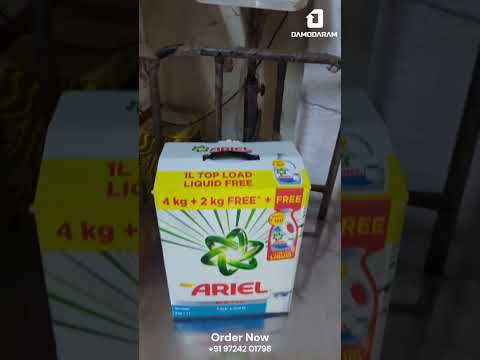
A rigid grip on a carton box plastic handle directly prevents the handle from twisting or collapsing under the load of heavy corrugated packaging. This structural integrity ensures the user’s hand remains securely positioned, avoiding sudden slippage that can drop a box or cause strain. Without that firm, non-flexing connection, the plastic handle can rotate against the corrugated board, tearing the cardboard and rendering the box useless. For bulk shipments or retail displays, this rigid grip stability is essential for reliable, one-handed carrying and safe transportation of contents.
Reducing Consumer Effort with Ergonomic Cutouts
Ergonomic cutouts directly slash the physical strain a consumer feels when hauling a heavy carton, transforming a clumsy lift into a balanced, secure maneuver. Unlike plastic handles that create pressure points, these contoured openings distribute weight across the palm, reducing hand fatigue and improving control. A well-placed cutout means the user expends less force to maintain a stable grip, preventing dropped boxes and awkward carrying angles. For e-commerce returns or bulk grocery loads, this effortless interaction turns a chore into a smooth, intuitive task. Reducing consumer effort with ergonomic cutouts ultimately drives satisfaction by making the box work with the user, not against them. How do ergonomic cutouts lower the risk of dropping a heavy carton? By cradling the hand’s natural shape, they provide a non-slip, lock-in hold that keeps the load stable even during movement.
Comparing Molded Inserts vs. Adhesive Tapes for Portability
When comparing molded inserts versus adhesive tapes for portability of a carton box plastic handle, the core difference lies in load distribution and permanence. A molded insert integrates directly into the corrugated board, creating a rigid, permanent anchor that prevents the handle from pulling through the cardboard during repeated carries. In contrast, adhesive tapes rely solely on carton box plastic handle surface bonding, which can degrade with moisture, weight, or temperature shifts, making the handle detach during transport. For portable applications requiring frequent movement, molded inserts provide superior structural integrity against shear forces, while tapes offer easier, temporary installation but risk failure under dynamic loads.
Q: Which option better prevents handle detachment during quick, repeated carries?
A: Molded inserts are safer for repeated portability because they lock into the box’s structure, whereas adhesive tapes can peel loose from the corrugated surface under sudden movement or stress.
Materials That Define Modern Box Haulage
Modern box haulage for cartons is defined by the use of injection-molded polypropylene (PP) for handles, which provides a rigid yet slightly flexible grip that resists cracking under heavy loads. The handle is typically anchored through die-cut slots in the corrugated board using a snap-fit T-bar design, ensuring the carton’s structure bears the weight rather than the plastic alone. A less common but ergonomic upgrade uses a soft-touch thermoplastic elastomer (TPE) overmolded onto the PP core, which reduces hand fatigue during prolonged carries. For compatibility, the handle’s material must match the humidity and weight rating of the specific carton grade, as mismatched durometers can cause premature tearing at the attachment points.
Recyclable Polypropylene vs. Traditional Nylon Attachments
When choosing carton box plastic handle attachments, the shift from traditional nylon to recyclable polypropylene delivers a tangible upgrade. Nylon offers high tensile strength but remains difficult to recycle, often ending up in landfills. Recyclable polypropylene provides comparable tear resistance while allowing the entire handle and box combination to be processed as a single mono-material stream. Its lighter weight reduces strain on the corrugated board during lifting, and the material’s inherent flexibility prevents cracking under heavy loads. Unlike nylon, polypropylene attachments do not require complex separation for disposal, making them the practical choice for end-users prioritizing waste reduction without sacrificing structural integrity.
Recyclable polypropylene attachments match nylon’s durability while enabling full-box recyclability, offering a lighter, crack-resistant alternative that simplifies waste processing at end of life.
Biodegradable Options for Eco-Conscious Shipping
For eco-conscious shipping, biodegradable options replace traditional plastic handles on carton boxes with materials like cornstarch-based polymers or molded plant fibers. These handles decompose in commercial composting facilities, reducing landfill waste while maintaining the tensile strength needed for carrying heavier loads. Suppliers now offer reinforced handles made from polylactic acid (PLA) or hemp blends that integrate seamlessly with recycled cardboard. The key advantage is that the entire box-and-handle assembly can break down naturally, avoiding the need to separate plastics during disposal. A moisture-resistant coating derived from beeswax or chitosan further extends usability without compromising biodegradability.
Biodegradable handles from cornstarch or plant fibers enable full carton breakdown, eliminating plastic waste without sacrificing durability.
Design Considerations for Heavy-Duty Carriers
When designing a heavy-duty carrier for a carton box, the plastic handle must withstand extreme tensile stress without deforming. The handle’s attachment points require reinforced webbing or wide anchor plates to distribute load across the box’s corrugated panels, preventing tear-out during lifting. Ergonomic contours and a non-slip grip are essential for user safety, especially when the carrier is fully loaded with dense contents. The plastic material must be impact-resistant and UV-stabilized to avoid brittleness under continuous outdoor use. A fail-safe locking mechanism on the handle’s connection ensures the carton box plastic handle remains secure during transport, eliminating accidental detachment that could cause product damage or injury.
Weight Distribution and Load Limits of Attached Grips
The plastic handle’s grip attachment points must evenly distribute a carton’s weight to prevent tearing. Load limits are dictated by the grip’s wall thickness and the handle-to-box interface area. Overloading concentrates stress on the punched holes, causing the handle to snap or rip through the cardboard. For heavy boxes, orient the grip so the load is carried by the reinforced spine, not the thin sidewalls.

- Check the grip’s stamped load rating against the box’s full weight, including contents.
- Ensure the punched slot edges are smooth to avoid cutting into the handle under heavy loads.
- Use wider grips or dual attachment points for boxes over 20 kg to spread the stress.
Reinforced Cutout Patterns for Bulk-Box Mobility
Reinforced cutout patterns for bulk-box mobility integrate the plastic handle directly into the box’s structural panel via die-cut apertures. The pattern’s geometry—typically a tapered slot with stress-dispersion shields at each end—prevents the corrugated material from tearing under the handle’s static load. A secondary perimeter of micro-perforations or kiss-cuts around the handle mounting zone allows the plastic insert to snap into place without compromising the board’s bending resistance. For heavy-duty carriers, the cutout design must align the handle’s grip flange with the box’s internal vertical flute direction, ensuring the pattern transfers pulling force along the strongest axis of the bulk container.
Common Installation Methods for Attachable Ports
The warehouse hummed with quiet efficiency as Maria picked up a carton box, its sides reinforced for heavy contents. For the plastic handle, the most common attachable port method was the die-cut slot and snap-fit tab. She aligned the handle’s base with pre-punched oval openings in the cardboard, then pressed firmly until the two rigid plastic tabs clicked into place, locking the port flush against the box wall. On lighter boxes, a simpler push-through grommet required only a slit in the carton; the handle’s stem threaded in and flared out internally.
Maria always checked that the plastic tabs fully engaged the cardboard’s inner layer—a partial snap meant the handle would tear free under load.
The result was a secure, load-bearing port without glue or tools, ready for the next shipment.
Punch-Out Inserts in Prefabricated Container Walls
Punch-out inserts in prefabricated container walls create pre-scored openings that align exactly with carton box plastic handle installation points. During assembly, the installer removes the knockout section, exposing a clean aperture that accepts the handle’s mounting tabs. This method eliminates the need for drilling or cutting, ensuring consistent port placement across multiple containers. The sequence involves:
- Locating the pre-marked punch-out zone on the wall panel,
- Striking the scored area with a mallet to release the insert,
- Inserting the handle’s prongs through the resulting hole, and
- Securing the handle via snap-fit or screw retention.
This approach reduces installation time by over 40% compared to manual cutouts, while maintaining structural integrity around punch-out handle port alignment.
Snap-Fit Handles for Custom Box Production Lines
For custom box production lines, snap-fit handles eliminate adhesive and screws, leveraging pre-molded lugs that click into die-cut slots for instant attachment. This method accelerates assembly by up to 60% compared to riveted alternatives, as the handle’s flexible arms compress upon insertion and expand behind the board. The lock’s tension must match the corrugated flute’s thickness—micro-flute boxes require tighter clips to avoid rattling, while double-wall stock needs broader tabs to distribute load without tearing. A quick pull-test inline verifies the snap retention, ensuring the handle won’t dislodge during automated stacking or high-speed packing. No
User Experience Upgrades for E-Commerce Deliveries
For e-commerce deliveries, upgrading the carton box plastic handle directly addresses user friction at the point of receipt. A reinforced, ergonomic handle prevents tearing when a package is carried from the doorstep, eliminating the frustration of a broken strap. Strategically positioning the handle to balance the box’s weight reduces strain on the customer’s hand, turning an awkward, heavy lift into a secure, comfortable carry. This simple tweak to the plastic handle also ensures the box remains intact for potential returns, a key user experience upgrade for e-commerce deliveries. Avoid sharp edges on the handle cutout; a smooth, rounded design protects fingers during transport.
How Textured Surfaces Improve Grip in Wet Conditions
When rain or condensation makes surfaces slick, a textured grip on plastic handles becomes critical for delivery reliability. The raised patterns, often diamond or chevron, create microscopic channels that displace water instantly, preventing a thin film from forming between the hand and the handle. This capillary action lets the user’s skin make direct contact with the polymer, maintaining friction even in downpours. Unlike smooth plastic, which turns into a slippery hazard, these engineered textures allow for a secure, one-handed carry when juggling parcels, keys, or an umbrella.
- Direct water displacement via micro-channel patterns prevents hydroplaning of the fingertips.
- Increased surface friction means less hand fatigue from over-gripping to compensate for wetness.
- Texture depth matches the natural ridges of human skin for positive tactile feedback.
Retractable vs. Fixed Straps for Postal Packaging
When evaluating **retractable vs. fixed straps for postal packaging**, the primary distinction lies in handling efficiency versus structural rigidity. Retractable straps, integrated into the carton box plastic handle, allow the strap to recoil when not in use, keeping the box surface clear for stacking and automated sorting. Fixed straps, however, protrude permanently, offering constant, immediate grip without moving parts but risking snagging on conveyor belts. For frequent lifting, retractable designs reduce user fatigue by eliminating dangling excess. Fixed straps excel in boxes requiring heavy-tension seals, as they don’t depend on spring mechanisms. The trade-off is reliability: retractable springs can fail after repeated use, while fixed straps maintain consistent leverage.
Q: Should I choose retractable or fixed straps for my e-commerce packaging?
A: Choose retractable straps if your shipments pass through automated systems or involve high-volume handling, as they reduce snag hazards. Choose fixed straps if your box contents are heavy and require a stable, non-moving handle for balanced lifting during manual sorting.
Regulatory and Safety Standards for Transporting Goods
Regulatory and safety standards for transporting goods require that a carton box plastic handle must securely bear the weight of the contents without detachment during transit. Handles must meet minimum pull-force thresholds, often verified through static load testing. Q: How does a plastic handle affect safe transport? A: It must not create snagging hazards that compromise stack stability or allow the box to rupture, preventing spillage in compliance with workplace safety rules. Adhesives and attachment clips used on the handle must also resist common shipping temperature ranges and humidity, ensuring the closure remains intact under vibration and impact forces throughout the logistics chain.
Weight Thresholds for Integrated Carrying Mechanisms
Weight thresholds for integrated carrying mechanisms dictate the maximum load a plastic handle and its anchoring system can bear without failure. For a standard carton box plastic handle, the threshold typically ranges from 10 to 25 kilograms, determined by handle material thickness and attachment method. A critical load limit exists where the handle’s insertion points begin to tear through the cardboard. To ensure safe usage, follow this sequence:
- Verify the handle’s rated capacity on the packaging or product data sheet.
- Distribute the box’s contents evenly to avoid exceeding the handle’s stress point.
- Never lift a box by the handle if the total weight surpasses the stated threshold, as this risks detachment and injury.
Always adhere to the manufacturer’s specified weight limit to maintain structural integrity during transport.
Child-Safe and Tear-Resistant Attachment Points
Child-safe and tear-resistant attachment points prevent plastic handles from separating from carton boxes during transport, eliminating choking hazards. These reinforced anchor zones use welded or riveted fasteners that withstand abrupt pulling forces, ensuring the handle remains fixed under heavy loads. A properly designed attachment point integrates a load-spreading plate inside the box to distribute stress across the cardboard surface, reducing the risk of tearing even when a child tugs on the handle. Unlike adhesive-only systems, tear-resistant points physically lock into the carton’s structure, providing reliable security for users.
| Aspect | Child-Safe Design | Tear-Resistant Design |
|---|---|---|
| Primary function | Prevent handle detachment and small-part release | Withstand repeated or sudden stress without ripping |
| Typical construction | Locking clips or tamper-proof rivets | Reinforced plastic plates or embedded webbing |
| Failure risk | Exposed edges or loose components | Progressive tearing of board or handle base |
Cost-Effective Sourcing for Small Business Packaging

For my small candle business, I slashed packaging costs by sourcing plastic handles for carton boxes directly from a local injection molder’s surplus stock, rather than through distributors. By ordering a consistent volume of handles that matched my box dimensions exactly, I avoided per-unit markups and reduced waste from mismatched sizes. Negotiating a flat rate for leftover recycled plastic from their production runs cut my per-handle cost by nearly forty percent. This kind of bulk-buying relationship only works if your handle design stays stable across seasons, though, as switching molds costs more than you save. Now I pair these handles with simple, unprinted kraft cartons from a regional supplier, paying only for the reinforcement I need.
Moulded Handles vs. Slotted Cardboard Alternatives
When weighing moulded handles vs. slotted cardboard alternatives for your carton box plastic handle needs, the decision hinges on durability versus cost-per-unit. A moulded plastic handle, integrated directly into the box, offers a robust, ergonomic grip that withstands heavy loads without tearing, making it ideal for premium or repeat-shipment products. Conversely, a slotted cardboard handle—cut directly from the box flap—eliminates plastic entirely, slashing material costs and simplifying recycling. However, this cardboard alternative sacrifices strength and comfort; it can rip under weight or when wet. For small businesses, the practical trade-off is clear: choose moulded handles for reliability and customer experience, or slotted cardboard for absolute minimal upfront expense on lightweight, single-use packaging.
Minimum Order Quantities for Custom Die-Cut Panels
For custom die-cut panels on carton boxes with plastic handles, minimum order quantities (MOQs) directly affect cost efficiency. Typically, suppliers set MOQs between 500 and 1,000 units, as die-cutting requires dedicated tooling and setup time. Ordering below this threshold inflates per-unit costs due to die amortization and machine changeovers. To reduce waste, consolidate panel designs into a single run if your handle attachment points are standardized. Demand forecasting for die-cut panels ensures you hit MOQ without overstocking. Smaller runs may use shared dies with other clients, but this limits customization.
- Always verify if the structural die fee is included in the MOQ or charged separately.
- Negotiate tiered MOQs: higher volumes (e.g., 2,000+) often reduce per-panel cost by 15–20%.
- Inquire about “panel-only” MOQs if handles are attached later, as separate processes can lower thresholds.
Environmental Impact of Added Transport Components
Added transport components, like a carton box plastic handle, directly increase the product’s environmental footprint. The handle itself requires extra petroleum-based plastic, which adds non-biodegradable waste to the box. This additional plastic component also increases the overall weight of the package, leading to higher fuel consumption during shipment. Furthermore, the handle’s attachment process often uses adhesives that complicate recycling, making the entire box harder to process in standard recycling streams. For a user, this means the seemingly helpful handle raises the carbon footprint of the package and creates more trash that won’t break down naturally.
Recycling Challenges with Mixed-Material Box Systems
Mixed-material box systems, specifically a carton body fused with a plastic handle, create a significant recycling challenge. The inseparable bond between the paper fiber and different polymer type contaminates the cardboard stream. In standard recycling facilities, this hybrid construction jams sorting machinery and cannot be processed as a single material, requiring costly manual extraction. This directly impedes the circular economy, as the entire unit is often diverted to landfill. The recycling of a carton box plastic handle is therefore severely compromised by this design flaw. Q: What is the primary recycling obstacle with a plastic handle on a cardboard box? A: The fusion of incompatible materials prevents the cardboard from being recycled without contamination.
Lifecycle Assessment of Detachable Plastic Fittings
A Lifecycle Assessment of Detachable Plastic Fittings for carton box handles evaluates environmental burdens from raw material extraction through end-of-life separation. The production phase accounts for polymer extrusion and mold energy, while the use phase benefits from reduced material volume versus fixed handles. Crucial impact mitigation occurs during disposal: end-of-life detachment efficiency determines whether fittings enter recycling streams or contaminate paper fiber. Precise snap-fit design enables clean separation, lowering residual plastic in cardboard recycling by up to 90% compared to glued alternatives. Assessment must quantify the detachment failure rate under typical handling stresses to validate net environmental gain.
Lifecycle Assessment of Detachable Plastic Fittings confirms that optimized snap-fit geometry is the primary lever for reducing composite waste, as it ensures clean material separation for both plastic and fiber recycling loops.
